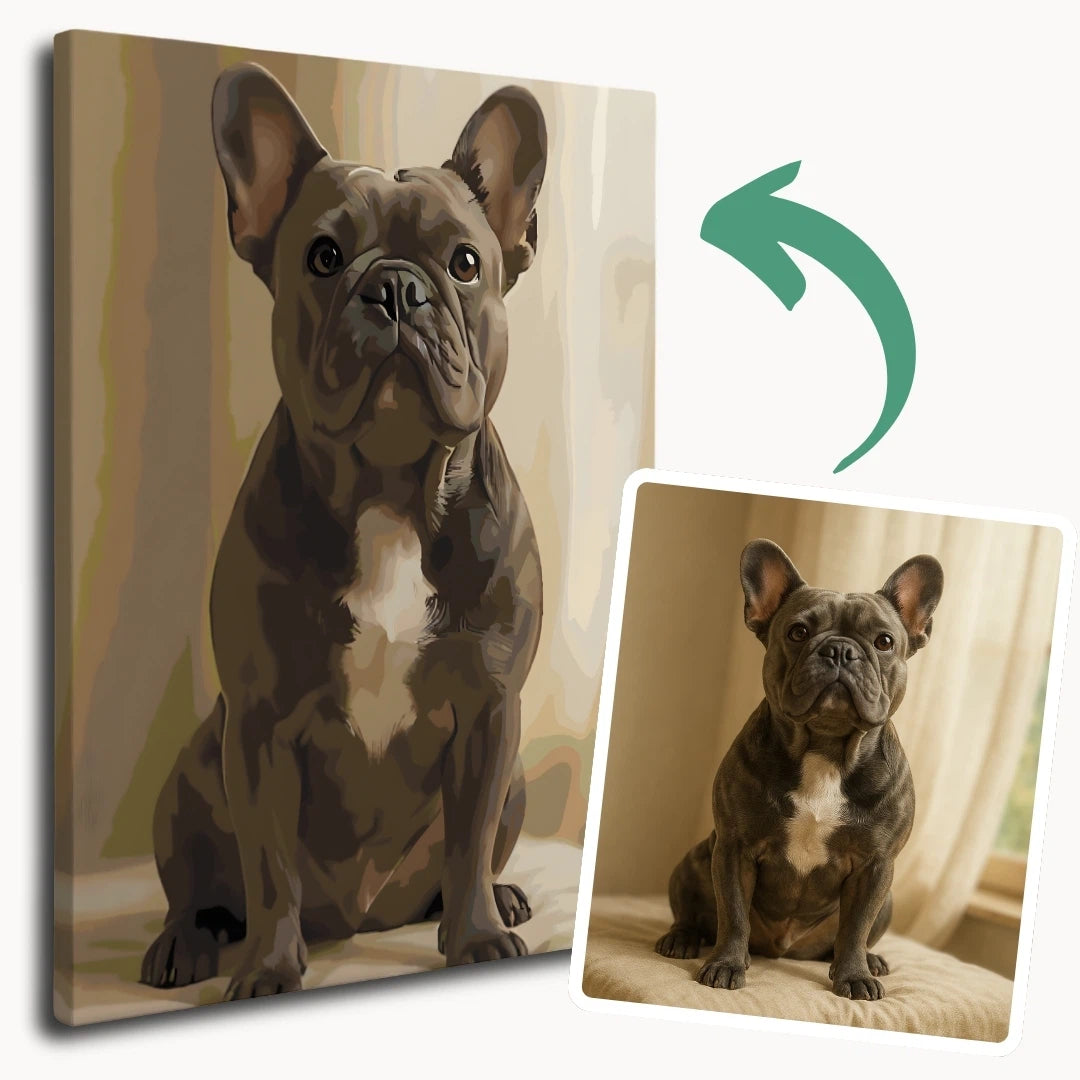



Choosing the right canvas accessories can make a huge difference. They affect how your art hangs, how long it lasts and how clean the final piece looks. Even a good painting and sag, wrap or look unfinished if the wrong accessories are used.
In this guide, we will cover the basics you actually need to know canvas sizes (including 12x24), stretcher bars, framing options and framed canvas kits. There is a wide selection of canvas frame sizes available, and taking accurate measurements is key to finding the perfect fit. Canvas prints and frames come in many sizes to suit different needs and spaces. So, let’s get started.
How to Choose the Right Canvas Size?
Selecting the right canvas size is important because it affects the composition, visual impact and viewer perception of the final piece. Choosing the right size ensures a perfect fit for your space, enhancing the overall aesthetic and making sure the artwork complements your room.
Using painter's tape to outline the dimensions on your wall can help you determine canvas size accurately and prevent big mistakes when selecting your canvas.
Canvas sizes can vary based on the image size provided and the printing partner chosen, so knowing the exact size and taking precise measurements of your available space and artwork dimensions is crucial for the best result.
Standard Canvas Sizes
Here’s a comparison for standard canvas sizes, including standard sizes, common sizes, and popular sizes that are widely available. Small canvases are ideal for small spaces and other small spaces like shelves and windowsills. Most small canvas sizes are compatible with standard frame sizes, making them easy to display in a gallery wall. Square canvas is a versatile option for gallery walls and various interior settings.
|
Format |
Common Canvas Sizes |
Best for |
|---|---|---|
|
Small |
4x6, 5x7, 8x10, 11x14, 12x16 |
Versatile and perfect for individuals with limited space or those seeking a cost-effective option. Ideal for tight spaces, shelves, small walls, and gallery clusters. Mini canvases are great for miniature sketches, paintings, quotes, and typography designs. Most small canvas sizes fit standard frame sizes, making them easy to use in a gallery wall or other small spaces. |
|
Medium |
16x20, 18x24 |
Popular canvas sizes for bedrooms, offices, hallways, single-piece displays or pairs. Medium canvases are ideal for more detailed landscapes, abstract works, and group photos, and are versatile for creating focal points or gallery walls. |
|
Large |
24x36 and above |
Common sizes for wide walls, main rooms, and strong focal point displays. Popular for making a bold statement in larger spaces. |
|
Panoramic |
12x24 canvas, 12x36 |
Landscapes, skylines, above sofas, consoles and headboards. |
|
Square |
12x12, 20x20, 24x24 |
Square canvas is a versatile art display option suitable for bedrooms, dining rooms, and gallery walls, helping achieve a cohesive visual effect. |
Note: The most versatile and popular canvas size is 16 x 20 inches.
When to Choose Large Wall Art Canvas?
A large wall art canvas is the best choice when the piece needs to be the focal point of a room. Large canvases and large pieces are often used as accent wall features, especially for displaying abstract art with bold colors, making them ideal for creating a visually striking centerpiece. This approach suits living rooms, dining rooms, entryways, and open layouts where viewers stand several feet away. While large canvases create stunning accent pieces and usually display abstract or modern art with bold colors, be mindful that overly large canvases might feel overwhelming or detract from other room elements.
If a smaller piece looks visually lost, scale up.
Spacing guidelines:
- Keep 6–12 inches above furniture
- Center at 57–60 inches from the floor
- Use one large piece when you want a clean, minimal focal point
Make sure to leave enough space and breathing room around your artwork to achieve visual balance and help the piece stand out. Too-small canvases can make your space feel bare and uninviting.
Measuring Wall Space Before Buying
Measure the open wall area before selecting a canvas. It's important to measure both the wall and the frame size, as well as the artwork size, to ensure a proper fit for your picture. A single piece should cover 60–75% of the wall width to stay proportional.
For example, above a 60-inch sofa, choose a canvas between 36 and 45 inches wide. This prevents the two common issues: choosing a piece that’s too small or one that crowds the space.
If you need a specific artwork size or have a unique space, custom canvas sizes can be ordered, and many online shops offer these options. Keep in mind that custom canvas sizes may not be exact, with a possible variance of 0.25 to 0.5 inches.
Stretched Canvas vs Unstretched Canvas
Choosing between stretched and unstretched canvas affects durability, presentation and the amount of work required before the painting.
Canvas prints are a popular way to display artwork printed on canvas, and prints can be created in both stretched and unstretched formats. Canvas prints can be used for various types of artwork, including oil and acrylic painting. The most popular canvas materials are cotton and linen.
The major difference is whether the fabric is already mounted on stretcher bars or still in loose, roll form.
What Are Stretcher Bars?
Stretcher bars are wooden support frames that hold the canvas fabric tight. They keep the surface flat and prevent sagging. This helps protect the artwork over time. The stretcher bar depth should be matched to the canvas size for proper support and to avoid warping, with standard depths like 3/4" or 1-1/2" commonly used for different canvas frame sizes.
Most bars are made from pine or fir because they are lightweight, strong and less prone to warping. Good stretcher bars improve paint application and keep the canvas stable as it ages. The canvas weight, determined by the density of the fiber weave and the thickness of the canvas, is also important—especially for larger pieces. A heavier canvas provides more support and stability for larger artworks.
Stretcher Bar Thickness (Standard vs Deep Edge)
|
Profile Type |
Thickness |
Best For |
Display Style |
|
Standard Profile |
¾ inch |
Paint-by-numbers, small canvases and artwork that will sit inside a frame |
Thin edge, ideal when canvas will be framed |
|
Deep Edge |
1.5-2 inches |
Large wall art and modern frameless displays |
Thick gallery wrap look with more visual impact |
The main thing is to consider how you plan to display the piece. If you want a clean, frameless look go with the deep edge and if you plan to frame the artwork go with a standard profile.
DIY vs Pre-Stretched
|
Type |
Description |
Best For |
|---|---|---|
|
Pre-Stretched canvas |
Ready to use with professional tension, no assembly required |
Beginners and painters who want to start immediately |
|
DIY Stretched canvas |
Canvas is mounted on loose stretcher bars by hand, with more sizing flexibility |
Artists who want custom sizes and don’t mind extra setup |
Both DIY and pre-stretched options are available in different canvas sizes to suit various needs, whether you want standard dimensions or a custom fit for your space.
For stretcher bars, frames, and hanging tools, you can browse the Supplies & Accessories category for compatible pieces.
Shipping for custom canvas orders typically takes 4 to 7 business days after production. Most canvas printing services provide tracking numbers for shipped orders, and expedited shipping is available for an additional fee.
Canvas Frames and Framing Options
Canvas frames come in several display styles. The three most common are traditional frames, floater frames, and gallery-wrapped canvases. Selecting the correct frame size and mat width for your canvas is essential to ensure a balanced and visually appealing presentation. Thin frames are also an option, especially for lightweight or delicate artwork, but care should be taken to ensure the frame has enough depth to accommodate the canvas without causing protrusion.
Traditional Frames
Traditional frames are typically made from wood or metal. Canvas art is framed without glass to avoid trapped moisture and unwanted glare. Wood frames give a classic look, while metal frames suit simple and modern interiors. Choose this option when you want a defined border around the artwork.
When using a matboard, the mat opening is the precise cut-out window in the matboard where the picture is visible. Choosing the right mat opening size is important for proper framing, as it ensures the artwork is displayed correctly and protected.
Floating / Floater Frames
Floater frames leave a small visible gap between the canvas and the frame edge, creating a floating effect.
This style is popular in contemporary wall art because it adds structure while keeping the canvas edges visible. It works well for large formats and panoramic pieces.
Gallery-Wrapped Canvas
A gallery-wrapped canvas stretches the artwork (or a solid color) around the sides of a deep-edge frame.
It hangs as-is with no frame, offering a clean, frameless presentation. This option suits minimal interiors and large wall art displays.
Canvas Frame Style Comparison
|
Frame Type |
Look & Style |
Best For |
|
Traditional Frame |
Classic, bordered finish |
Framed wall art and formal interiors |
|
Floater Frame |
Modern floating visual gap |
Large or panoramic pieces |
|
Gallery-Wrapped Canvas |
Frameless, minimal look |
Single contemporary displays |
Choosing Frame Color & Material
Select frame colors and materials based on the room's existing finishes. Dark woods or black frames add contrast while light woods, white, and metal frames blend into modern spaces.
For a warmer look, use wood. For a sleek, minimal look, choose metal. Keep the frame consistent with nearby decor for a unified display.
Framed Canvas Kits (What to Know Before Buying)
Framed canvas kits come as an all-in-one set with a pre-stretched canvas mounted on a frame, ready for painting or wall display.
These kits make it easy to add a personal touch to your space with beautiful art, whether you choose landscapes, seascapes, portraits, or other artwork types.
They remove the need to buy stretcher bars, tools, or a separate frame.
What They Include:
Most framed canvas kits contain: (and you can check out the Buy 3 Get 1 Free offer for framed kits).
- Pre-stretched canvas (tight and primed)
- Attached frame (wood or metal)
- Hanging hardware (sawtooth hanger or wire)
- Corner support or wedges (optional)
Who They're Ideal For:
Framed kits work best for:
- Beginners: no assembly or stretching required
- Gift buyers: clean presentation right out of the box
- Home decorators: fast, ready-to-hang wall art
- Paint-by-numbers users: stable surface without prep time
Anyone who wants a finished look without dealing with stretcher bars or framing tools benefits from this option.
Quality Checkpoints Before Buying
When comparing framed canvas kits, check for:
|
Wood material |
Kiln-dried pine or fir to reduce warping |
|
Frame joints |
Tight, aligned corners with no gaps |
|
Canvas tension |
Smooth surface with no ripples or sagging |
|
Hanging method |
Pre-installed hardware for easy mounting |
|
Depth |
Standard for framed pieces; deep edge if you want a bolder look |
Canvas Hanging Hardware & Display Accessories
Different hanging systems keep your canvas level, secure, and suited to your wall type, whether you’re mounting a small piece or a large focal-point artwork. Before hanging, use painter's tape to outline the size of your canvas on the wall—this helps you visualize the placement and ensures your artwork will look just right in your space.
Hooks, Wires, Brackets, and D-Rings
Canvas wall art can be mounted using basic hanging hardware. The most common options are:
|
Hardware Type |
Best Use |
Notes |
|
Small and medium canvases |
Fast installation and basic support |
|
|
D-Rings |
Medium to heavy canvases |
More secure than sawtooth hooks |
|
Hanging wire |
Medium and large canvases |
Works with D-rings, easy leveling |
|
Wall Brackets / French Cleats |
Large and oversized canvases |
Strongest, most stable hanging method |
Choose light hardware for small canvases and stronger, two-point systems (D-rings, brackets, or cleats) for large formats.
Anti-Tilt & Anti-Damage Options
To prevent shifting and protect walls, use accessories designed for stability and renter-friendly setups.
|
Accessory |
Function |
Best Use |
|
Anti-Tilt Bumpers |
Prevent leaning and shifting |
Keeping canvases aligned and stable |
|
Rubber or Felt Wall Protectors |
Stop scuffing and paint damage |
Protecting walls behind framed or unframed canvases |
|
Adhesive Hooks / Strips |
No-hole hanging solution |
Renters and temporary displays |
|
Adhesive Hanging Tabs |
Hold lightweight canvases without nails |
Anti-damage accessories are best for apartments, short-term decor, and gallery walls where frames sit close together.
Conclusion:
Canvas accessories work together to improve appearance and durability. The right canvas size frame and hanging hardware help the artwork sit flat stay secure and look finished on the wall. Match each accessory to your space and style so the canvas becomes a strong visual feature in the room.
Frequently Asked Questions
Is 12×24 a standard canvas size?
Yes. A 12×24 canvas is a standard panoramic format commonly used for landscapes, skylines, and wide paint-by-numbers designs.
What is the best frame type for a stretched canvas?
Floater frames are a strong choice for stretched canvases because they keep the edges visible and create a clean, modern border without pressing on the canvas.
Do you need a frame for a gallery wrap?
No. A gallery-wrapped canvas is designed to hang without a frame. The artwork or solid color extends over the edges for a finished look.
Are large wall art canvases harder to hang?
Not if you use the right hardware. For large wall art, D-rings, hanging wire, or French cleats provide better stability than single-point hooks.
Can I frame a deep-edge canvas?
Yes, but it requires a floater frame or a deep-profile frame. Standard frames are usually too narrow for thick stretcher bars.
Should canvas art be framed behind glass?
No. Canvas should not be framed with glass because it can trap moisture and cause glare. Canvas is meant to breathe.
What size canvas is best for a living room?
Use medium to large canvases and follow the 60–75% rule—your canvas should cover roughly two-thirds of the wall or furniture width for proper scale.
Are framed canvas kits good for beginners?
Yes. Framed canvas kits are beginner-friendly because the canvas is already stretched, aligned, and ready to hang or paint.