

A finished, hand-painted paint-by-numbers canvas elevates a room because it delivers intentional color, tactile texture, and personal meaning that no mass-produced print can replicate. The piece you painted yourself carries a story the wall behind it does not.
The short version:
- A painted canvas creates a natural focal point that anchors furniture and draws the eye
- The kit’s color palette ties directly into your room’s existing tones
- Acrylic layers build real texture, so the surface catches light the way a flat print never does
- The handmade story behind the piece adds perceived value that store-bought art simply cannot match
Table of Contents
- Why a paint-by-number piece feels handmade and high-end
- How a finished canvas actually changes a room
- How to frame, hang, and light your finished piece
- How to pick a kit that fits your decor and skill level
- Why painting is good for you and why finished pieces make meaningful gifts
- What to expect: time and cost
- How to protect and maintain your finished canvas
- Why Craftybynumbers kits are built for home display
- Key Takeaways
- The case for making your own wall art
- Craftybynumbers: kits designed to hang, not just to paint
- Useful sources
- FAQ
Why a paint-by-number piece feels handmade and high-end
The visual mechanics start with color. A quality kit ships with a palette matched to the composition, so when you hang the finished piece, it reads as intentional rather than accidental. That coherence is what interior designers spend hours achieving. Structured art-making through paint-by-numbers removes blank-canvas anxiety and helps painters reach a flow state, which means the process itself produces focused, deliberate brushwork rather than hesitant marks.
Scale matters just as much as color. A canvas sized to fill two-thirds of a wall above a sofa reads as a statement piece. One that is too small floats awkwardly. Proportion is the difference between a room that feels curated and one that feels unfinished.
Then there is texture. Painted surfaces carry physical depth that flat prints lack entirely. Acrylic layers catch light differently at 8 AM than at 8 PM, which means the piece changes throughout the day. That subtle shift is one reason handmade-painted canvases read as higher quality than reproductions at the same price point.
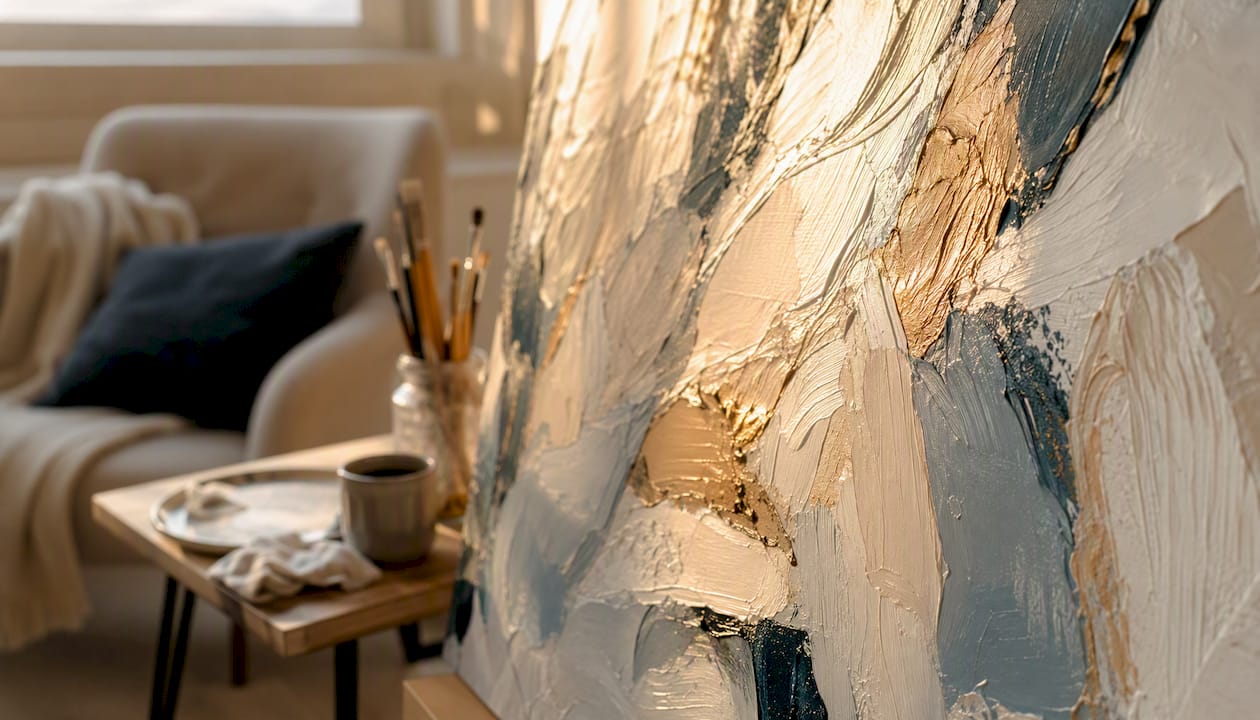
Psychology adds another layer. Behavioral researchers call it the IKEA effect: people assign greater value to things they helped create. A canvas you painted for six hours feels worth more than one you ordered framed, because it is, to you.
Room-by-room subject guide:
- Bedrooms: soft landscapes or botanicals calm the space
- Living rooms: bold abstracts or cityscapes energize conversation areas
- Hallways: florals or vintage subjects warm a transitional space
Pro Tip: Choose a kit whose dominant color appears somewhere in your room already, even in a throw pillow or rug. That single repeated hue is what makes a painting feel like it belongs rather than landed.
Paint-by-numbers aligns with the slow-living trend and enables precise color-matching for interiors, making personalized, curated decor genuinely accessible.
How a finished canvas actually changes a room
Hang a completed painting and three things shift immediately: the room gains a visual anchor, the color story becomes legible, and the space feels occupied rather than staged. Kit quality and subject choice are the two variables that determine whether the result looks deliberate or accidental.
Placement options that work:
- Above a sofa: The classic centerpiece. Size it so the canvas spans roughly two-thirds of the sofa’s width.
- Entryway wall: A welcoming focal point that sets the room’s tone before guests see anything else.
- Mantel or shelf: Layer a medium canvas behind objects for a vignette that reads as styled.
- Gallery wall: Group three to five small-format kits with consistent spacing for a collected look.
Quick placement checklist:
- View the piece from your normal seated or standing distance before committing to a spot
- Match contrast to wall color: light paintings on dark walls, dark paintings on light walls
- Balance warm and cool tones across the room rather than clustering them
Modern design writers now recommend paint-by-number kits as a valid DIY route to curated interiors, and the space-saving decor advice from the same source applies directly to smaller rooms where a single well-placed canvas does more work than several small prints.
How to frame, hang, and light your finished piece
The best presentation depends on your goal. A gallery look calls for a floating frame and picture lighting. A cozy, lived-in display works fine with a simple wood frame and natural light.
Framing options:
- Stretched canvas: Clean, modern, no glass needed. Best for contemporary rooms.
- Floating frame: Shows the canvas edge, adds depth. Works across most styles.
- Traditional frame with glass: Protects the surface but can create glare. Match frame material to room style: wood for rustic, black metal for modern.
How to hang it properly:
- Find the wall stud or use appropriate anchors for the canvas weight.
- Center the piece at 57–60 inches from floor to canvas midpoint, the standard gallery height.
- For seating areas, drop the center to roughly 48 inches so the piece relates to seated eye level.
- For a gallery wall, lay pieces on the floor first, photograph the arrangement, then transfer it to the wall using paper templates.
- Use a level. Every time.
Lighting:
- Position a picture light or track light at a 30-degree angle to the canvas surface.
- Avoid direct sunlight, which fades acrylic pigments over time.
- LED bulbs with a color rendering index (CRI) above 90 show paint colors most accurately.
Pro Tip: Matte or anti-reflective glass eliminates glare without dulling color. If you use standard glass, tilt the frame slightly forward at the top to redirect reflections downward.
How to pick a kit that fits your decor and skill level
Prioritize subject, palette, size, and material quality in that order. The subject determines whether the piece belongs in the room; the palette determines whether it harmonizes; the size determines whether it commands the wall.
Decision prompts:
- 2–3 hours per week available: choose a medium-detail kit
- Want a fast finish: pick a mini set
- Planning a gallery wall: buy matched small-format kits in a consistent color family
Materials checklist for any kit worth buying:
- Pre-printed canvas with clear number sections
- High-opacity acrylic paints matched to the composition
- Detail brushes in at least two sizes
Craftybynumbers kits include all three. Contemporary kits are detailed and affordable, and modern printing and color technology produce frame-ready results that would have cost significantly more from a gallery a decade ago.
Why painting is good for you and why finished pieces make meaningful gifts
Paint-by-numbers supports relaxation and focus while producing an object worth giving. The process is the point, and the finished canvas is the bonus.
“Paint-by-numbers provides a grounding creative practice that can regulate the nervous system and reduce anxious rumination — an accessible alternative to traditional mindfulness for people who find sitting still difficult.”
— Psychotherapist Kate Lewis, as quoted in Happiful
The research behind that observation is substantial. Structured art-making links to reduced cortisol and improved mood, with surveys showing that adult painters cite stress relief and home decor as their two primary motivations.
Why a painted kit makes a better gift than a print:
- The IKEA effect means the recipient values it more because they made it
- Custom photo kits turn a personal image into frameable art
- The effort is visible in the brushwork, which no purchased print can replicate
- Frame it before giving, or include a framing suggestion with the kit
What to expect: time and cost
Most adult kits finish across several sessions spread over days or weeks, not in a single sitting. Mini sets run roughly 3–5 hours total. Medium kits average 8–15 hours. Large, detailed canvases can take 20 hours or more.
Budget expectations:
- Entry-level kits: under $30
- Mid-range kits with higher detail: $30–$60
- Premium or custom-photo kits: $60 and above
- Basic framing: $20–$80 depending on size and frame style
Pro tip for faster finishing: Block in all sections of one color before moving to the next. It reduces brush-cleaning time and keeps the composition reading correctly as you work.
Gift-buyers should consider adding a second set of brushes or a small bottle of varnish to the package. Both extend the life of the finished piece and show thoughtfulness beyond the kit itself.
How to protect and maintain your finished canvas
Basic care preserves color and texture for years. Cleaning, humidity control, and optional varnishing are the three levers.
Step-by-step care:
- Let the finished canvas dry completely, at least 24–48 hours before handling or framing.
- Apply a water-based acrylic varnish in matte, satin, or gloss finish once fully dry. This seals the paint and protects against dust and moisture.
- Choose mounting over glass framing when possible. Glass can trap moisture and cause adhesion issues over time.
- Use appropriate wall hardware rated for the canvas weight.
Dos and don’ts:
- Do dust lightly with a soft, dry brush or microfiber cloth
- Do hang away from direct sunlight and heating vents
- Don’t use household cleaners on the painted surface
- Don’t fold or roll a finished canvas; it cracks the acrylic
Troubleshooting: Touch up small chips with the original paint while it is still in the pot, or seal leftover paint in an airtight container. For significant damage, a professional framer can advise on restoration options.
Why Craftybynumbers kits are built for home display
Craftybynumbers designs kits to produce frameable, decor-ready work for all skill levels. Every kit ships with a pre-printed canvas, matched acrylic paints, and detail brushes, so nothing is missing when you sit down to paint.
How each feature maps to a decorating need:
| Kit feature | Decorating benefit |
|---|---|
| Pre-printed numbered canvas | Removes guesswork; composition is already balanced for wall display |
| Matched acrylic paints | Colors coordinate with the design so the finished piece reads as intentional |
| Detail brushes | Fine brushwork produces texture that reads as handmade at close range |
| Custom photo option | Turns a personal image into unique art for home that no one else owns |
| Multiple difficulty levels | Beginners finish a displayable piece; experienced painters tackle complex subjects |
The Vintage Sewing Machine kit is a strong example of how a themed subject translates to decor: the warm tones and detailed composition work in living rooms, studies, and creative spaces. Over 120,000 satisfied customers have completed Craftybynumbers kits and hung them.
Match-to-decor checklist:
- Does the kit’s dominant color appear somewhere in your room already?
- Is the canvas size proportional to the wall space you have in mind?
- Does the subject suit the room’s function (calm vs. energizing)?
For more paint-by-numbers home decor ideas, the Craftybynumbers blog covers styling and placement in detail.
Key Takeaways
A hand-painted canvas from a quality kit elevates interiors through color coherence, tactile texture, and personal meaning that mass-produced prints cannot replicate.
| Point | Details |
|---|---|
| Color and texture are the core drivers | Acrylic layers catch light and tie into room palettes in ways flat prints cannot match. |
| Placement determines impact | Hang at 57–60 inches center height; size the canvas to two-thirds of the furniture below it. |
| Subject and palette come first | Choose a kit whose dominant color already appears in the room for instant visual coherence. |
| Painting supports wellbeing | Structured art-making reduces cortisol and supports flow states, per clinical and survey research. |
| Craftybynumbers kits are display-ready | Each kit includes a pre-printed canvas, matched paints, and brushes; custom photo options add personalization. |
The case for making your own wall art
There is a version of home decorating that involves buying a print, removing it from a tube, and hanging it. It works. But it does not explain why the piece is there, or what it means to the person who lives with it.
What gets overlooked in most decor advice is that the process of making something changes your relationship to the finished object. A canvas you painted over several evenings is not just decoration. It is evidence of focus, patience, and a choice you made about what belongs on your wall. That is a different category of object than something shipped in a cardboard sleeve.

The wellness research supports this, but honestly, you do not need a study to feel it. The piece you made is the one you will keep rearranging until it is exactly right. That attention is what makes a room feel personal rather than assembled.
Craftybynumbers kits work because they remove the technical barriers without removing the experience of making. The structure is there; the creative investment is still yours.
Craftybynumbers: kits designed to hang, not just to paint
Craftybynumbers offers kits for every skill level, from quick mini sets to large, detailed canvases, plus custom kits built from your own photos. Every kit includes a pre-printed canvas, matched acrylic paints, and detail brushes, so the finished piece is ready to frame from day one.
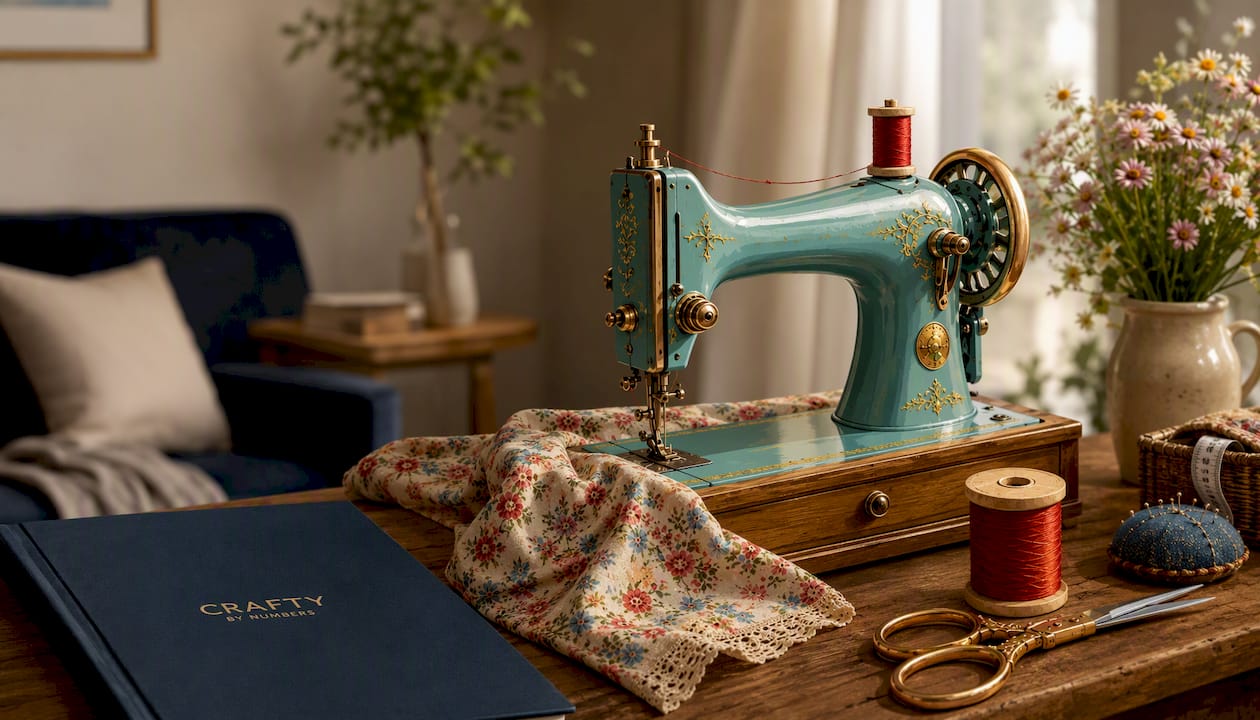
The Vintage Sewing Machine kit is a popular choice for living rooms and creative spaces, with warm tones that work across most interior palettes. For something more personal, the custom photo option turns any image into a numbered canvas you paint yourself, producing unique art for home that no catalog carries.
Browse the full collection at Craftybynumbers and find the kit that fits your wall, your room, and your weekend.
Useful sources
- Paint by Numbers: A Creative Escape that Doubles as Wall Art — Obviousmag
- Why the paint-by-numbers revival is a stroke of genius — Happiful
- Using a paint-by-numbers kit to decorate your home | Dream of Home
- Transform Your Space: Why Paint by Numbers Is the Ultimate DIY Trend for Modern Home Decor — ByDesignAndViz
- Oil Paintings & Paint by Numbers Impact On Space & Wellbeing — Cozmicway
- How to Elevate Your Home Decor with Paint by Numbers — Nest with the Nelsons
- Vintage Sewing Machine - Crafty By Numbers
FAQ
Why does a hand-painted canvas look better than a print?
Acrylic paint builds physical texture that catches light differently throughout the day. Flat prints have no surface depth, so they read as decoration; a painted canvas reads as art.
How long does a paint-by-numbers kit take to finish?
Mini sets take roughly 3–5 hours; medium kits average 8–15 hours; large or detailed canvases can run 20 hours or more, spread across multiple sessions.
What size kit should I buy for a living room wall?
Measure the furniture below the intended hanging spot and choose a canvas that spans roughly two-thirds of that width. For a standard sofa, choose a canvas sized to fill two-thirds of the wall space above it.
Can a paint-by-numbers kit be used as a personalized gift?
Yes. Custom photo kits, like those offered by Craftybynumbers, convert a personal image into a numbered canvas the recipient paints themselves, producing unique art no store carries.
Do I need to varnish a finished paint-by-numbers canvas?
Varnishing is optional but recommended. A water-based acrylic varnish applied after the paint fully dries seals the surface against dust and moisture and extends the life of the colors.
0 comentarios