

Try this before you touch your brush: exhale-longer rhythm (inhale for four counts, exhale for six), micro-box breathing (four counts in, four counts hold, four counts out, four counts hold), and draw-your-breath flow, where you trace your inhale and exhale on scrap paper before you paint a stroke. Each one takes under a minute and works differently.
- Exhale-longer rhythm: Use it before detail work. The longer exhale settles your hand.
- Micro-box breathing: Use it when you catch yourself rushing or gripping the brush too hard.
- Draw-your-breath flow: Use it at the start of a session, or anytime you need to reset after a phone buzzes or a dog barks.
Pick one, set a timer for sixty seconds, and notice what happens to your shoulders.
Pro Tip: Do the technique with your brush already loaded with paint. That way, the moment you feel settled, you can go straight into the stroke without losing the calm to a supply hunt.
Key Takeaways
Syncing breath to brushstroke type, using short timed routines, and choosing low-decision projects are the three habits that make breathing while painting actually stick.
| Point | Details |
|---|---|
| Match breath to stroke | Exhale slowly through detail strokes; let broad strokes follow natural breath rhythm. |
| Start small | A 5-minute routine with one breathing technique builds the habit faster than a long session. |
| Watch for overbreathing | Stop counted breathing if you feel dizzy or tingly, and ventilate when using strong-smelling paints. |
| Fix posture first | A relaxed torso and supported shoulders keep the diaphragm free to breathe fully. |
| Use predictable projects | Craftybynumbers kits and Professional Brushes remove decision fatigue so breath practice gets the focus. |
Table of Contents
- Step-by-Step Breathing Techniques to Try While You Paint
- How to Sync Your Breath With Your Brushstrokes
- Guided Breathing and Painting Routines You Can Follow
- Why Does Breathing Improve Focus While Painting?
- Is It Safe to Do Breathing Exercises While Painting?
- Posture and Setup Tips for Easier Breathing at the Easel
- How to Make Breathing a Habit and Fix Focus Slips
- A Painter’s Note on Breath and Flow
- Try Craftybynumbers for a Low-Pressure Way to Practice
- Sources
- FAQ
Step-by-Step Breathing Techniques to Try While You Paint
Breathing techniques for painters work best when they’re tied to a count you can repeat without thinking. Here are three that hold up across a full session, not just the first five minutes.
- 4-4-6 exhale-longer breathing. Inhale through your nose for four counts, hold for four, exhale for six. Sit or stand with your spine tall but not rigid. Use this before any pass requiring precision, like eyes, edges, or small numbered sections in a kit. The extended exhale triggers a mild parasympathetic response, which is the same mechanism behind pranayama-style breath practices used by performers to steady attention and presence.
- 4-count micro-box breathing. Inhale for four, hold for four, exhale for four, hold for four. Repeat three to five cycles. This one is more mechanical and less soothing than the exhale-longer method, which makes it useful when you need alertness rather than calm, such as mixing colors or double-checking a numbered guide.
- 3-breath focus reset. Three slow breaths, no counting, just attention on the sensation of air moving in and out. Use this between painting sessions or when switching from broad background strokes to fine detail work.
None of these counts are rules carved in stone. If four in and six out feels like a stretch, try three and five. Painters with smaller lung capacity or anyone new to breathwork should shrink the counts rather than force a rhythm that leaves them light-headed.
Common mistakes show up fast once you start paying attention to breath:
- Holding the breath entirely during a tricky stroke, which tightens the hand and shoulder.
- Breathing shallow and fast from the chest instead of the belly, which keeps the nervous system on alert instead of settling it.
- Overforcing an exact count instead of finding a rhythm that feels sustainable for ten minutes, not just one.
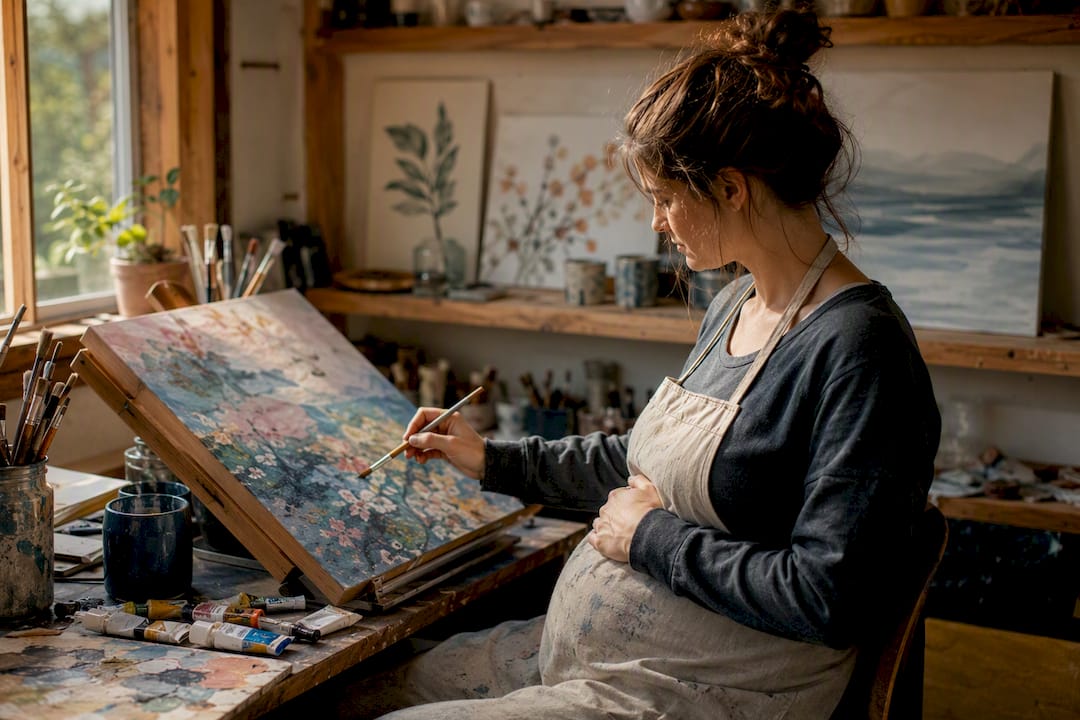
Practitioners who work with brushwork closely have long linked shallow breath to shakier lines. Painters describe a direct connection between breath and brushwork: when breath goes shallow or stops, posture tightens and brushwork quality often suffers, and returning to full, calm breaths restores clarity fast.
Pro Tip: Place a hand on your stomach for the first few cycles of any technique. If your hand isn’t moving, you’re breathing from your chest, and that shallow pattern is exactly what tightens your grip during fine detail work.
How to Sync Your Breath With Your Brushstrokes
Breath control while painting isn’t about matching every stroke to a count. It’s about matching the type of stroke to the type of breath.
- Small detail strokes (eyes, thin lines, tight numbered sections): exhale slowly through the stroke. The controlled exhale steadies your hand more than any grip adjustment will.
- Medium shapes (filling in a numbered section, blocking a mid-size object): breathe naturally, but exhale as you start the stroke and inhale during the brief pause before the next one.
- Sweeping background strokes: let your breath move freely with the motion, inhaling on the pull back and exhaling on the sweep forward, the way a rower breathes with the oar.
When you’re simply observing, deciding on a color, or studying a reference photo, pause and breathe evenly without trying to sync anything. Forcing rhythm during a moment meant for thinking just adds pressure you don’t need.
The goal is breath you don’t notice. If you’re mentally counting “inhale, exhale, inhale” through an entire painting session, you’ve turned a calming tool into another task competing for attention. Let the pattern become background, the same way a musician stops thinking about scales once they’re second nature.
- Sync exhale to the moment of contact for detail strokes.
- Let broad strokes follow your natural breath rhythm.
- Pause breath-syncing entirely during observation or mixing.
Pro Tip: If a session stalls and nothing looks right, don’t reach for a fix. Take three slow breaths, put the brush down for ten seconds, and look at the canvas again. A stalled session usually needs less thinking, not more.
Guided Breathing and Painting Routines You Can Follow
Short, structured routines make a new habit stick faster than vague intentions to “breathe more” while painting. Here are three lengths to fit around a real schedule.
- 5-minute reset. One minute of exhale-longer breathing, then four minutes painting a single detail pass, like eyes or a small numbered section. Good for a quick session between errands.
- 15-minute focus block. Two minutes of breath awareness (just noticing, no forcing), ten minutes of painting with synced breath on whatever stroke type you’re working, and three minutes of reflection, just sitting with the canvas and noticing tension in your shoulders.
- 30-minute studio session. Three minutes of warm-up breathing, alternating between exhale-longer and micro-box for variety, twenty minutes of painting with a posture and ventilation check at the halfway mark, and seven minutes to wind down and step back from the piece.
Set a phone timer for each block rather than watching the clock. Structured, short activities like these help attention hold steady, a pattern education research on brief guided tasks backs up well beyond the art world. Try the 15-minute version with a project like Below the Water’s Surface, which has enough large and small sections to practice both broad-stroke and detail breathing in one sitting.
Why Does Breathing Improve Focus While Painting?
Painting already functions as a mindfulness-based intervention. It anchors attention in the present moment and sharpens perceptual awareness, which is why so many painters describe losing track of time in a good way, not a distracted one, according to research on painting and mindful attention.
Breathing sharpens that effect. The Draw Your Breath method, developed as a creativity and workshop practice, synchronizes drawing with a person’s own breathing pattern and reports improved focus and creative skill development among participants who draw their breathing curve during a meditative state. A related study found the method helps regulate thought and feeling while sharpening observation.
- Breath steadies the hand by lowering muscle tension in the shoulders and wrist.
- Calm breathing reduces the mental noise that pulls attention off the canvas.
- Full breaths support better decisions on color and value, since a tense brain rushes choices.
Pro Tip: Notice your exhale specifically during the last three strokes of any detail pass. Painters consistently report that a slightly extended exhale right before the brush touches the canvas steadies the line more than any wrist trick.
Is It Safe to Do Breathing Exercises While Painting?
Breathwork is generally low-risk, but a few precautions matter, especially if you’re new to it or working with certain materials.
- Stop any counted-breath exercise if you feel light-headed, tingling in your fingers, or dizzy. Overbreathing (taking in more air than your body needs) can trigger these symptoms fast, and the fix is simple: breathe normally for a minute and let it pass.
- Ventilate your space if you’re using solvent-based paints or strong-smelling mediums. Crack a window, run a fan, and avoid long sessions in a closed room. Craftybynumbers kits use water-based acrylics, which sidestep most fume concerns entirely.
- If you have asthma or a history of respiratory sensitivity, check your paint’s label for irritants and talk to a doctor before working in a poorly ventilated space for long stretches.
- Seek medical attention if dizziness, chest pain, or tingling doesn’t resolve within a minute or two of normal breathing. That’s not a breathwork hiccup, that’s a signal to stop and get checked.
Posture and Setup Tips for Easier Breathing at the Easel
Your setup either helps your breath move or fights it. A chair too low forces your torso to collapse, which restricts your diaphragm before you’ve even picked up a brush. Aim for a chair or easel height that keeps your spine long and your shoulders relaxed, not hiked toward your ears.
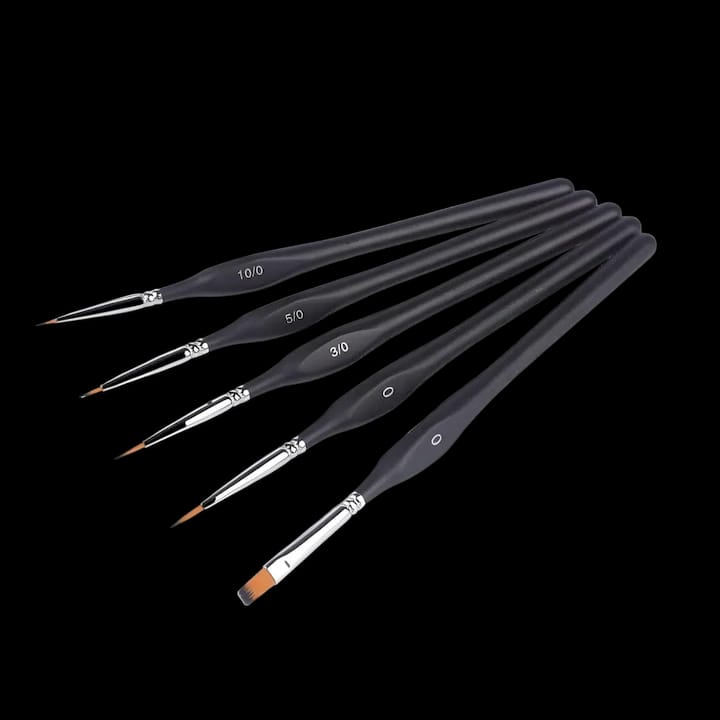
Standing painters should keep feet shoulder-width apart and shift weight occasionally rather than locking knees, since a locked stance tends to shorten the breath without you noticing. A cushion, a footrest, or better lighting near your palette all reduce the small tensions that add up over a long session. Fine detail work is easier on the hand, and by extension the breath, with brushes built for control. Craftybynumbers’ Professional Brushes are designed to reduce hand strain during small strokes, which matters more than people expect once you’re twenty minutes into a detail pass.
Pro Tip: Set a quiet timer for every 10 to 15 minutes. When it goes off, check your breath before you check your painting. Shallow breath almost always shows up before a shaky line does.
How to Make Breathing a Habit and Fix Focus Slips
Consistency beats intensity here. A short pre-session ritual, the same one-minute breathing anchor every time, trains your brain to associate that pattern with settling in, much like a runner’s warm-up jog signals the body to prepare.
- Start every session with the same single breathing move, even if it’s just three slow breaths.
- Paint at a consistent time when possible. The body responds well to a predictable cue.
- Keep a low-pressure project on hand for practice days when energy is low.
When focus slips, troubleshoot instead of pushing through:
- Breath feels forced? Drop the count entirely and just notice the breath for thirty seconds.
- Mind wandering? Switch to a broad stroke section where precision matters less.
- Hands tense? Put the brush down, shake out your wrists, and take one exhale-longer cycle before resuming.
A gentle instrumental playlist, like the sets on Hot Mic Radio’s chillout collection, can mask distracting background noise without pulling focus the way lyrics do. Pairing these habits with a predictable project, such as a paint by numbers kit, gives your breathing practice a low-stakes place to live every time you sit down.
A Painter’s Note on Breath and Flow
I use one cue before every detail pass: a single slow exhale, longer than feels natural, right as the brush tip touches the canvas. It’s not dramatic. But on a fine edge or a tight numbered section, that one exhale is the difference between a line I second-guess and one I commit to without hesitation.
Try Craftybynumbers for a Low-Pressure Way to Practice
A blank canvas with no guide can make breathing exercises harder to stick with, since decision fatigue competes with the calm you’re trying to build. Craftybynumbers removes that friction. Every kit comes with a pre-printed canvas, matched acrylic paints, and detail brushes, so you’re never stopping mid-session to second-guess a color choice or hunt for the right tool.
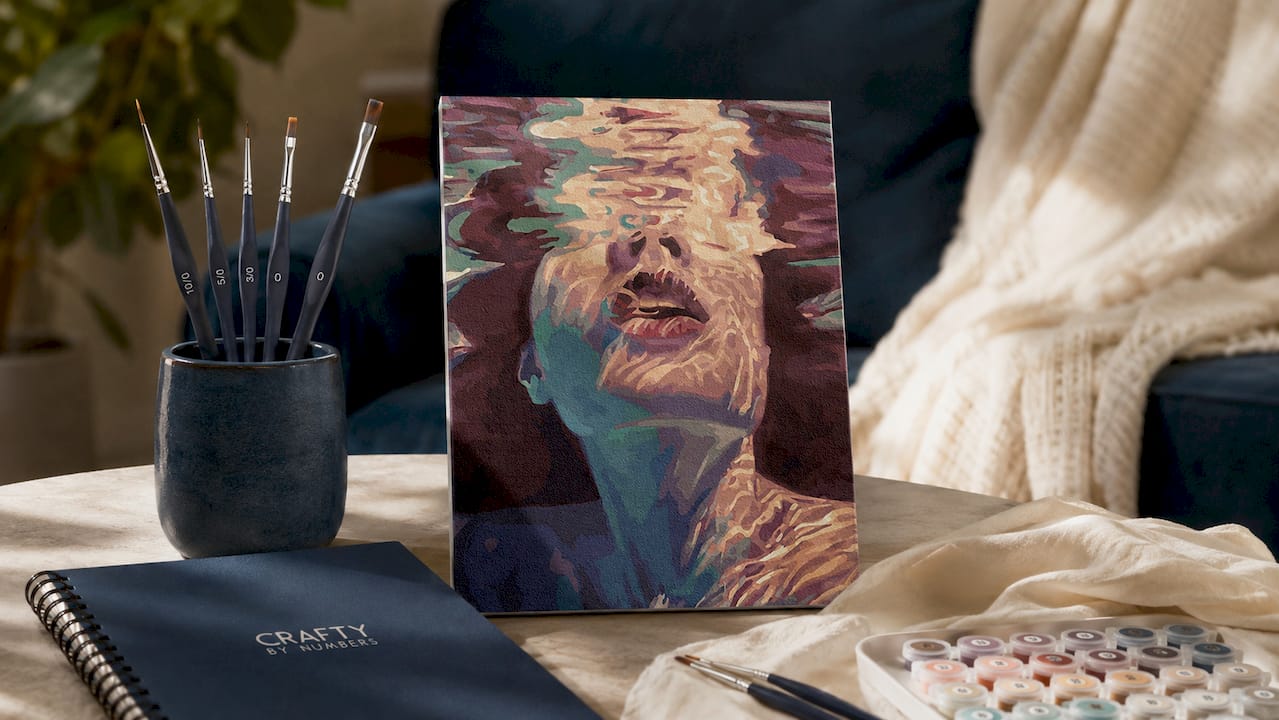
That structure is exactly what makes it a strong match for breath-focused practice: no decisions to derail your rhythm, just numbered sections and a clear stroke to breathe through. The Professional Brushes set is built for the fine-stroke comfort these techniques rely on, and a kit like Below the Water’s Surface gives you both broad and detailed sections to practice syncing breath across stroke types. Browse the current kits and pick one that matches the session length you want to try first.
Sources
- Painting, Mindfulness and Crowther’s Aesthetics (RISD Digital Commons)
- Increasing creativity and accessing inner knowledge: the ‘Draw Your Breath’ method (Poetic Mind)
- Draw Your Breath: improving focus and creative skills through … (NCRM repository)
- Brushwork and the Breath - Realism Today
- Breath practices and performance (DOI reference)
FAQ
What is the 80/20 rule in painting?
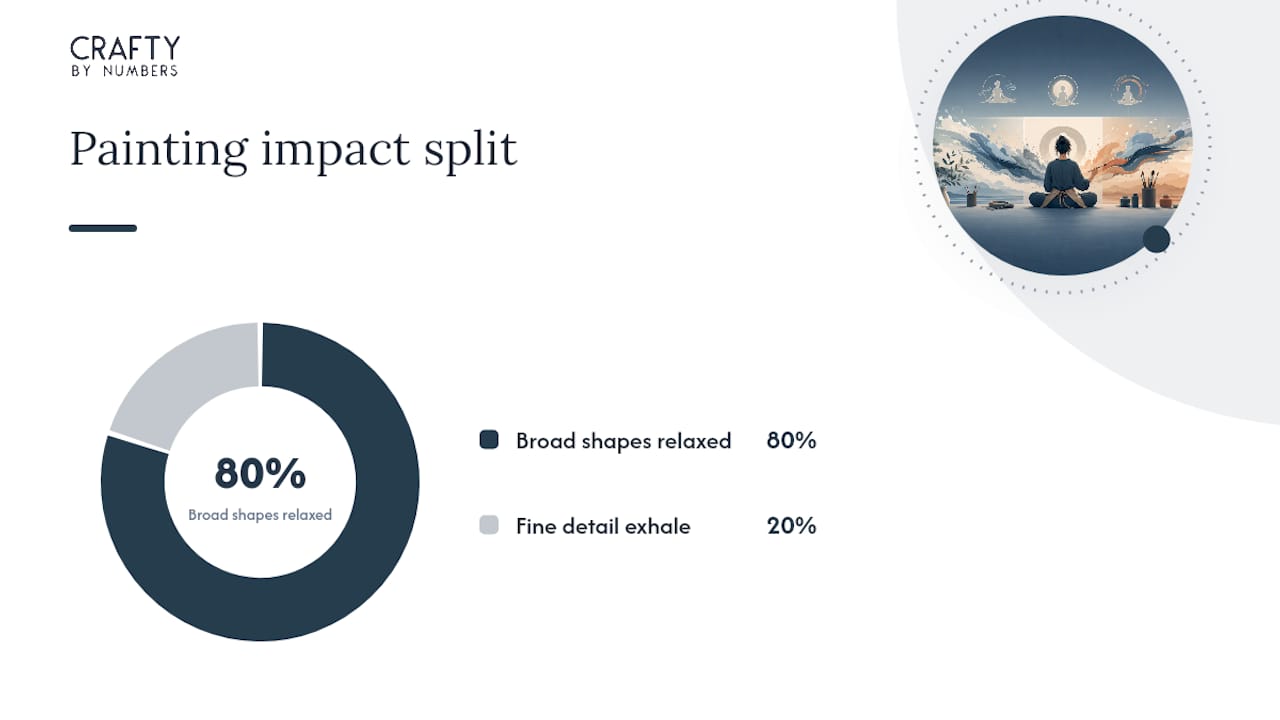
It’s a rough guideline suggesting a large majority of a painting’s impact comes from broad shapes, values, and composition, with a smaller portion coming from fine detail. Breath-wise, that means most of your session calls for relaxed, natural breathing, reserving controlled exhale techniques for that smaller, detail-focused portion.
Does painting help with ADHD?
Painting can support focus because it anchors attention in a single present-moment task, functioning as a mindfulness-based activity that gives a wandering mind something concrete to hold onto. Structured, guided projects with clear steps, like a paint by numbers kit, may make that anchoring easier by reducing open-ended decisions.
What is painter’s lung?
Painter’s lung generally refers to respiratory irritation from long-term exposure to solvent fumes or fine particulates in certain paints, most commonly oil-based or spray products. Good ventilation and choosing water-based acrylics, like those in Craftybynumbers kits, significantly reduce this risk for hobby painters.
Can painting trigger asthma?
Strong-smelling solvents, certain pigments, and poor ventilation can trigger asthma symptoms in sensitive individuals. Anyone with asthma should check paint labels for irritants, work in a well-ventilated space, and talk to a doctor if symptoms show up during or after painting sessions.
How long should I practice breathing before it feels natural while painting?
Many painters notice a difference after practicing a breathing technique for several brief sessions. Short, repeated practice, five minutes here, fifteen there, builds the habit faster than one long session.
0 Kommentare