

Yes, most leftover acrylic paint is still usable. If it’s gummy or half dry, you can revive it in minutes with distilled water or medium; if it’s fully hardened, dry it completely and toss it in household waste rather than pouring it down a drain. Small amounts also make great material for quick craft projects instead of getting wasted at all.
TL;DR:
- Gummy or semi-dry paint can often be revived with small drops of distilled water and acrylic medium, but fully hardened paint should be discarded.
- Small leftover amounts are best reused in simple projects like bookmarks, journal backgrounds, painted rocks, or practice swatches to prevent waste.
- Storing revived paint in small airtight jars with minimal air space and labeling ensures better longevity, while refrigeration offers only short-term preservation.
- Disposing of leftover acrylic paint requires drying it out entirely and mixing in an absorbent material if large amounts remain, avoiding pouring or draining liquid paint.
- Using dedicated tools like small jars, droppers, and paint-specific products reduces waste and improves the success of revival and reuse efforts.
Table of Contents
- 10 Quick Projects to Reuse Leftover Acrylic Paint
- How to Revive and Store Leftover Acrylic Paint Step by Step
- How Do You Safely Dispose of Acrylic Paint You Can’t Reuse?
- What Tools Help You Reuse Leftover Acrylic Paint?
- Three Mini-Project Recipes for Leftover Paint
- Why These Methods Hold Up
- What Hobbyists Get Wrong About Leftover Paint
- Practical Buys That Make Reuse Easier
- Sources
- FAQ
10 Quick Projects to Reuse Leftover Acrylic Paint
You don’t need a full palette to make something worth keeping. Small amounts of paint, even muddy leftover mixes, work well for low-stakes projects where “perfect” isn’t the goal.
- Art journal background: Thin a spoonful with water for a wash, brush it on, and let it dry flat in 20 minutes. Muddy colors actually work great here.
- Bookmarks: 1 to 2 teaspoons covers a strip of cardstock. Seal with a coat of matte varnish once dry.
- Painted rocks: A few small blobs go a long way. Great for single-shade remnants with strong pigment.
- Artist trading cards: Tiny canvases (about 2.5 by 3.5 inches) soak up whatever color you have left.
- Collage papers: Brush leftover paint onto scrap paper, let it dry, then cut it into shapes for later collage work.
- Gift tags: Stamp or splatter paint onto card blanks, then tie with twine once fully cured.
- Envelope liners: A thin wash of color dresses up plain envelopes for handmade cards.
- Fabric patches: Mixed with a textile medium, small amounts of acrylic can decorate canvas patches or tote bags.
- Mini abstract canvases: Palette knife scraps of leftover color, no wash required, dry to a nice textured finish.
- Practice swatches: Keep a swatch book of every mix. It builds your color sense and rescues paint that would otherwise dry out unused.
Muddy, mixed leftovers suit rocks, journals, and abstract canvases best, since blended tones look intentional there. Save cleaner single-shade remnants for bookmarks and tags where a crisp color reads better.
How to Revive and Store Leftover Acrylic Paint Step by Step
Before you try to save anything, check whether it’s worth saving. Paint that’s still slightly tacky or rubbery usually responds to rehydration. Paint that’s turned into a hard, plastic-like chip is done. No amount of water brings that back.
Here’s the revival process that actually works:
- Test it first. Press a fingernail into the paint. If it dents or feels soft under a firm press, it’s salvageable.
- Add distilled water, drop by drop. Work it in with a palette knife rather than dumping water in all at once, which just makes a puddle on top of hard paint.
- Mix in a little acrylic medium instead of more water once it starts loosening. Water alone thins the paint’s binding power, while medium preserves adhesion and body.
- For palette paint, try the plastic wrap and mist method. Lay plastic wrap over your palette, mist lightly, and it can keep paint workable for up to 24 hours.
- Add a drop of glycerin if you paint slowly and need extra open time before the paint sets up again.
Once revived, don’t just leave it out. Scrape leftover mixes into small airtight jars, press out trapped air, and label each one with the date and color name. An overnight stint in the fridge can buy you a few extra hours, but it’s a short-term trick, not real storage. Half-full jars left for weeks tend to separate or grow a skin regardless of what you do.
Pro Tip: Skip giant containers for small leftover amounts. A jar close to the paint’s own volume, with minimal airspace at the top, keeps the color usable far longer than a large jar with lots of empty air inside.
Keep a palette knife, a few droppers, small airtight jars, and pre cut labels within reach. Half the reason leftover paint dries out is that the tools for saving it aren’t nearby when the painting session ends.
How Do You Safely Dispose of Acrylic Paint You Can’t Reuse?
Not every blob of dried paint deserves a second life, and that’s fine. Acrylic is water-based, which makes disposal simpler than oil paint, but it still needs the right process.
- Dry it out completely first. For small amounts, spread the paint thin in the container lid or on cardboard and let air do the work.
- For larger leftovers, mix in kitty litter, sawdust, or another absorbent material to speed up drying and stop it from staying gummy at the bottom of a container.
- Never pour wet paint, or paint-laden wash water, down a sink or storm drain. It can clog pipes and, once it reaches waterways, harms aquatic life.
- Once solid, government guidance confirms dried water-based paint can generally go into regular household waste, rather than requiring a special collection.
- If you’re rinsing brushes, collect that wash water in a jar and let the solids settle before disposal, instead of running it straight into the drain, a practice also recommended for general paint waste.
Larger, still-liquid quantities are a different story. Check with your local council or waste facility rather than guessing, since bulk liquid paint sometimes needs a hazardous-waste drop-off. Our own guide to disposing of acrylic paint safely walks through the process in more detail if you’re clearing out a backlog of old jars.
What Tools Help You Reuse Leftover Acrylic Paint?
A basic kit prevents most waste before it happens. Keep these on hand:
- Small airtight jars (glass with a tight gasket outperforms plastic tubs for keeping air out)
- A palette knife for mixing revived paint without introducing extra water
- Droppers for controlled rehydration
- Plastic wrap for the palette misting method
- Distilled water (tap water can introduce minerals that affect pigment over time)
- Labels and a marker for dates and color names
- A small bottle of glycerin or flow improver
Some of this is worth buying rather than improvising. Revive Dry Paints is built specifically to rehydrate paint that’s crossed into gummy territory, saving you the guesswork of how much water is too much. A Paint Organizer Stand keeps small jars visible instead of buried in a drawer, which is often the real reason paint gets forgotten and dries out. And when revived paint feels thin or lifeless, mixing in Acrylic Medium Gloss Gel restores body and gives finished pieces a glossy, professional sheen. Jam jars and cling film work in a pinch, but purpose-made tools cut the trial and error.
Three Mini-Project Recipes for Leftover Paint
Each of these takes under 30 minutes and uses paint you’d otherwise scrape into the trash.
- Art journal spread. Thin a teaspoon of paint into a wash and brush it across the page as a base layer. Once dry (about 15 minutes), add thicker leftover blobs as texture marks with a palette knife. Seal with a light varnish coat if the page will get handled often.
- Bookmark or gift tag. Cut cardstock to size, brush on 1 to 2 teaspoons of paint in a solid color or simple pattern, and let it dry flat for 20 minutes. A coat of matte or gloss varnish makes it durable enough to survive a bag or pocket.
- Upcycled coaster. Sand a plain wood or cork coaster lightly, apply a base coat of leftover paint, then layer a second color once dry. Finish with Acrylic Medium Gloss Gel brushed over the top for a sealed, glossy surface that can handle a cold glass.
Why These Methods Hold Up
These steps aren’t guesswork. They come from testing basic chemistry against how acrylics actually behave once opened. Over 120,000 customers have worked with Crafty By Numbers kits, each built around pre-printed canvases, matched acrylic paints, and detailed brushes designed for vibrant, detailed results. That volume of real painting sessions is where these habits, like never letting a jar sit half full for months, get proven out.
For more on the storage side, our post on storing acrylic paints between sessions and our guide to cleaning acrylic brushes cover the habits that keep paint, and tools, lasting longer.

What Hobbyists Get Wrong About Leftover Paint
Most guides treat leftover paint like a problem to solve efficiently: seal it, store it, move on. That misses the more interesting opportunity. The best use of a half teaspoon of leftover cadmium red isn’t always storage. It’s a bookmark, a swatch card, or a background layer you’ll actually finish today.
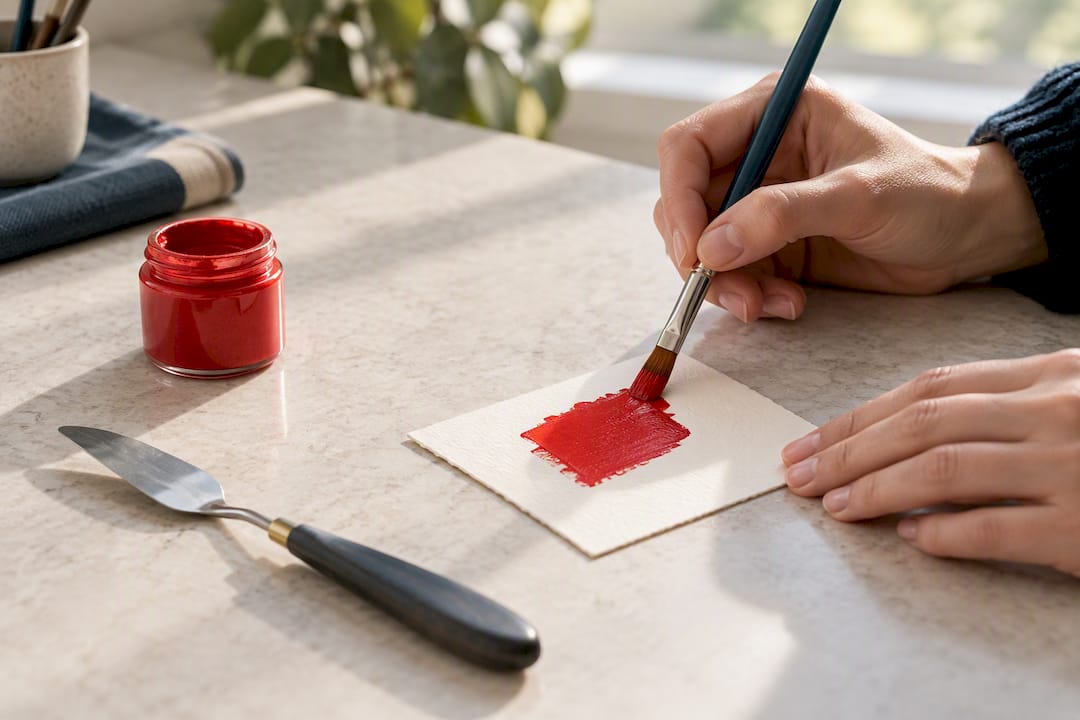
The conventional advice also overstates what water alone can do. Dumping in water to loosen dried paint thins the binder along with the pigment, which is why revived paint sometimes looks and behaves worse than it did before it dried. Reaching for medium instead of more water preserves what actually made the paint good in the first place.
If you take one thing from this, prioritize prevention over rescue. A cheap organizer and the habit of capping jars immediately after a session prevents more waste than any revival trick fixes after the fact. Reuse when you can, dry and dispose responsibly when you can’t, and don’t feel obligated to save every last drop.
— Paula S.
Practical Buys That Make Reuse Easier
Paint by numbers kits often feature detailed artwork and vibrant color palettes, which means attention is often given to what keeps paint usable between sessions instead of drying out in the caddy. If you’re tired of scraping hardened paint out of jars you meant to use weeks ago, three products solve the actual points where waste happens.
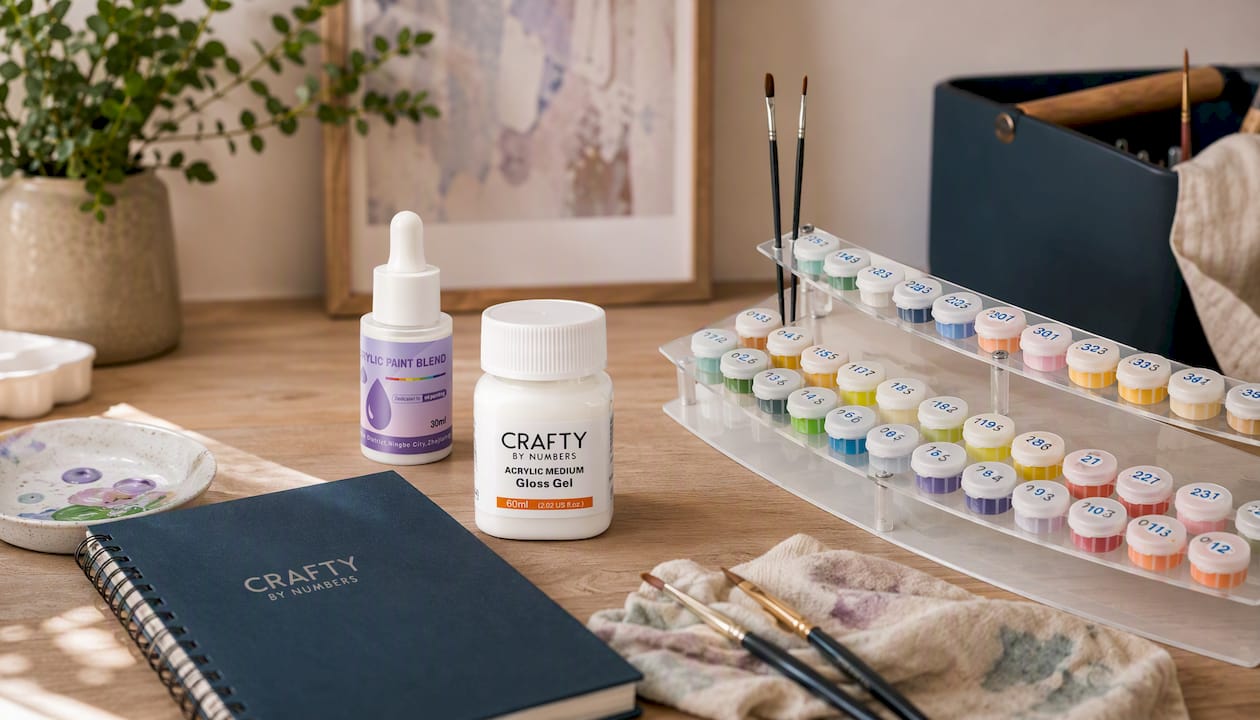
Revive Dry Paints rehydrates gummy or semi-dry paint without the trial and error of guessing how much water to add. The Paint Organizer Stand keeps small jars visible and within reach, which is the single biggest factor in whether leftover paint gets used again or forgotten in a drawer. And Acrylic Medium Gloss Gel restores body to thinned paint and seals finished projects with a glossy, professional-looking coat. If you’d rather start a project already stocked with matched paints and a guide, browse the paint by numbers collection and pick a kit that gets you painting today.
Sources
- Gov
- How To Fix Dry Acrylic Paint (Can You Save Dried Acrylic Paint?) – PlasticRanger
- How to safely dispose of paint – Martha Stewart
- Organising and storing your acrylic paints – Painters-Online
FAQ
How Do You Make Old Acrylic Paint Usable Again?
Add distilled water in small drops and work it in with a palette knife, or mix in a little acrylic medium once the paint starts to loosen. This rehydration method works on gummy or semi-dry paint, but fully hardened chunks won’t respond to any amount of water.
What Does Adding Dish Soap to Acrylic Paint Do?
A small amount of dish soap can act as a flow improver, helping thick or drying paint spread more smoothly. It’s a workaround some painters use in a pinch, but a dedicated flow medium or a little glycerin gives more predictable results without affecting how the paint dries.
What Happens if You Add Baking Soda to Acrylic Paint?
Baking soda creates a textured, slightly gritty finish when mixed into acrylic paint, often used for faux stone or stucco effects on canvas or craft projects. It doesn’t revive dried paint. It’s strictly a texture additive for paint that’s still wet and workable.
Is There a Way to Save Acrylic Paint for Later?
Scrape leftover paint into a small airtight jar, press out excess air, and label it with the color and date. A tight seal, minimal air space, and a cool spot away from direct heat keep it usable far longer than a loosely capped tube.
0 comments