

The most common mistakes beginners make choosing art kits come down to three overlooked factors: kit complexity, material quality, and instructional clarity. Get any one of these wrong and you end up with an abandoned project and a drawer full of dried-out paint. Guided art formats like paint by numbers exist precisely because the blank canvas is the biggest barrier for new artists. Craftybynumbers has helped over 120,000 beginners past that barrier, and the patterns of what goes wrong before someone even opens a kit are remarkably consistent. This guide covers every major pitfall so you spend your money on a kit you actually finish.
1. Mistakes beginners make choosing art kits: picking the wrong complexity level
Choosing a kit that is too complex for your current skill level is the single fastest way to quit. A large, detailed canvas looks impressive on the shelf, but it can require 20 or more hours to complete. Large canvases (16x20+ inches) carry high abandonment rates among beginners because the time commitment outlasts early motivation.
The fix is simple: start smaller than you think you need to. Small coaster kits or compact canvases that finish in 2–4 hours have much higher completion rates and leave you feeling accomplished rather than defeated. That sense of completion is what builds the habit.
- Small projects (under 8x10 inches): Ideal for first-timers. Finish in one or two sessions.
- Medium projects (11x14 inches): Good for beginners who have completed at least one small kit.
- Large projects (16x20 inches and above): Best reserved for painters with several completed kits under their belt.
Pro Tip: Pick a kit labeled “beginner” and check the estimated completion time on the box. If it says more than five hours, save it for your second or third project.
2. Prioritizing price over what is actually in the box
Budget kits look like a safe starting point, but they often cost you more in frustration than they save in dollars. Low-cost kits in the $7–$15 range typically include only one brush and six paint colors. That limited palette forces you to mix colors you do not know how to mix yet, which produces muddy, washed-out results.
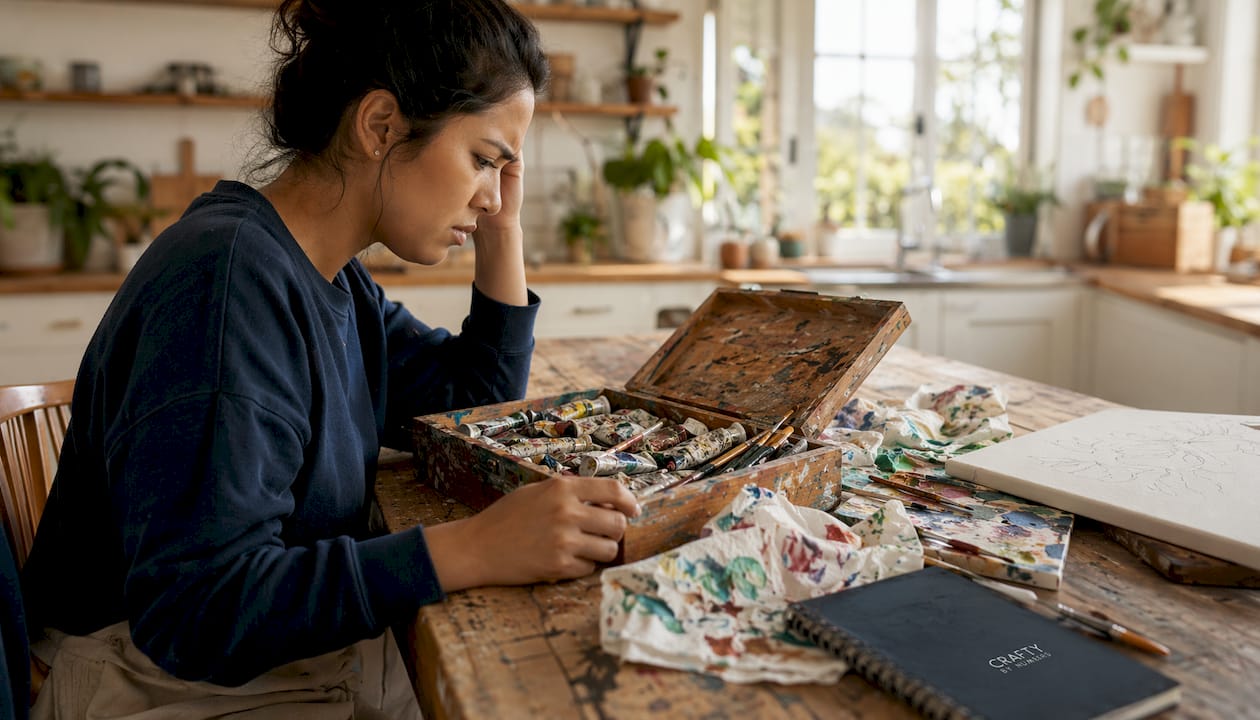
Professional-grade beginner kits typically fall in the $25–$40 range and include 12 or more paint colors plus multiple brushes. That difference in contents directly affects how your finished piece looks. A kit with 24 colors produces visibly richer, more vibrant artwork than one with six, even when both boxes show the same image on the cover.
Two kits with identical cover art can differ drastically in paint count, and that gap shows up in the final result. Before you buy, flip the box over and count the colors listed. A theme you love means nothing if the supplies cannot deliver it.
What to check before purchasing:
- Total number of paint colors included (aim for 12 or more)
- Number of brushes (at least two sizes)
- Whether the canvas is pre-printed or requires tracing
- Paint type (acrylic dries faster and is easier for beginners)
- Whether replacement paints are available if you run out
3. Underestimating mess and cleanup time
Mess is not just an inconvenience. It is a direct predictor of whether you pick up the kit again. Kits with excessive setup or cleanup time see 30–50% lower repeat usage, especially for children aged 5–8. That statistic means a messy kit is not just annoying once. It is likely to sit unused after the first session.
The total cost of a kit includes more than the price tag. Table covers, water cups, and 15 minutes of prep and cleanup all add friction. Kits requiring over 15 minutes of prep or cleaning have higher abandonment rates at home. Contained formats like refillable color pods or sticker kits reduce that friction significantly.
- Low mess: Sticker kits, color-by-number pencil sets, pre-filled paint pods
- Medium mess: Standard acrylic paint kits with small brushes and a water cup
- High mess: Pouring art, finger painting, and large-scale watercolor projects
Pro Tip: For children under eight or for anyone painting in a carpeted room, choose a kit rated low-mess. You can always graduate to messier formats once the habit is established.
4. Ignoring instruction quality
Clear instructions are not a bonus feature. They are the difference between a finished painting and a frustrating afternoon. Poor instruction quality, including vague steps and unclear images, causes confusion and drop-off, especially for beginners. A wall of text with no visuals is not a guide. It is a barrier.
Step-by-step visual instructions and QR-linked video tutorials increase beginner confidence and reduce error rates. The best kits show you what the project should look like at each stage, not just at the end. That ongoing feedback keeps you on track and makes the process feel manageable.
Before buying, check for these instruction quality signals:
- Numbered steps with a matching visual for each stage
- A color reference chart that matches the paint labels in the kit
- QR code or URL linking to a video walkthrough
- Font size large enough to read without squinting
- Language written for a complete beginner, not an experienced crafter
If a kit’s instructions are only available in a tiny-print pamphlet with no images, put it back. The beginner painting mistakes that frustrate people most are almost always caused by unclear guidance, not lack of talent.
5. Skipping age and temperament matching
A kit that is perfect for a 10-year-old can be completely wrong for a 6-year-old, and vice versa. Children aged 5–8 prefer contained, manageable crafts with clear outcomes, while older children benefit from more skill-based formats that reward patience and attention to detail. Matching the kit to the actual user prevents both boredom and frustration.
Temperament matters just as much as age. Some beginners want step-by-step structure with no guesswork. Others want open-ended creative freedom. Buying a rigid, numbered kit for a child who hates rules, or an open-ended kit for an adult who wants clear direction, produces the same result: the kit gets abandoned. Light box art projects offer a middle ground for kids aged 5–13 who want structure with some creative latitude.
| User type | Best kit style | Warning signs of mismatch |
|---|---|---|
| Child aged 5–8 | Simple, contained, low piece count | Crying, giving up within 10 minutes |
| Child aged 9–12 | Skill-based, moderate complexity | Boredom, rushing through steps |
| Adult beginner | Guided format, 12+ colors, clear steps | Frustration with vague instructions |
| Adult seeking challenge | Detailed canvas, high color count | Finishing too fast, feeling unchallenged |
Guided kits reduce blank canvas intimidation by providing instant feedback and progress markers. That structure is especially valuable for beginners who have never held a paintbrush before.
6. Judging a kit by its box art or theme alone
The box is a marketing tool, not a quality indicator. A kit’s theme is rarely a reliable quality indicator. Buyers who prioritize usability features like clear instructions and sufficient supplies consistently report higher satisfaction than those who buy based on the cover image alone.
This mistake is especially common when buying kits as gifts. You see a beautiful sunflower painting on the box and assume the kit inside will produce something similar. But if the kit contains only six colors and one brush, the result will look nothing like the cover. The disappointment hits twice: once when you open the box, and again when you finish the painting.
Check the full kit contents before purchasing, not just the theme. A kit that includes a pre-printed canvas, high-quality acrylic paints in 20 or more colors, and multiple brush sizes will produce a result worth hanging on the wall, regardless of the subject matter.
7. Overlooking the stress and enjoyment factor
Art kits are not just about the finished product. The process itself should feel good. Paint by numbers builds confidence in first-time artists by removing the pressure of starting from scratch. When a kit is too hard, too messy, or too poorly documented, the stress of the process cancels out the creative reward.
Beginners who choose kits aligned with their actual skill level and environment report the experience as relaxing rather than stressful. That enjoyment is what turns a one-time purchase into a lasting hobby. If your first kit feels like homework, you will not buy a second one.
Key Takeaways
The biggest mistake beginners make when choosing art kits is prioritizing appearance over usability, which leads to frustration, poor results, and abandoned projects.
| Point | Details |
|---|---|
| Start small on complexity | Choose kits under 8x10 inches with under five hours of estimated completion time. |
| Check contents, not just price | Look for 12 or more paint colors and at least two brush sizes before buying. |
| Factor in mess and cleanup | Kits requiring over 15 minutes of prep have significantly higher abandonment rates. |
| Verify instruction quality | Look for numbered visual steps, a color reference chart, and a video tutorial link. |
| Match kit to user | Age, temperament, and skill level all determine whether a kit gets finished or shelved. |
What I have learned from watching beginners choose the wrong kits
Paula S. here. After years of watching beginners pick kits that end up in a closet after one session, I have noticed the same pattern every time. The purchase decision takes about 30 seconds. The regret takes much longer.
The most common error I see is buying based on the finished image. Someone falls in love with a painting of a Frida-inspired portrait or a holiday scene and assumes the kit will get them there. It might, but only if the supplies inside are actually up to the task. I have seen beautiful box art paired with six watery paint colors that could not cover a canvas evenly if you tried.
My honest advice: treat the contents list like a nutrition label. Read it before you commit. A kit like the Sunflowers in a Vase from Craftybynumbers works for beginners not because of the subject, but because the materials are genuinely good enough to produce a result you want to display.
The other thing I tell every beginner: your first kit is not your masterpiece. It is your proof of concept. Finish it, feel good about it, and then level up. The mistake is expecting perfection from a first attempt. The goal is completion.
— Paula S.
Craftybynumbers kits built for beginners who want to finish what they start
Craftybynumbers designs every kit around the exact criteria that matter most to beginners: sufficient paint colors, clear step-by-step instructions, and a pre-printed canvas that removes the guesswork entirely.
The Sunflowers in a Vase kit is a strong starting point for adults new to painting. It delivers vibrant color, manageable complexity, and a result worth framing. For a seasonal option, the Mischievous Santa kit offers the same quality in a holiday format. Beginners ready to push their skills can try the Frida kit, which rewards patience with a striking finished piece. All three come with everything you need, no extra supplies required.
FAQ
What is the biggest mistake beginners make when buying art kits?
Choosing a kit based on the cover image without checking the contents list is the most common error. Two kits with identical box art can differ by 18 paint colors, which directly affects the quality of your finished piece.
How many paint colors should a beginner kit include?
A good beginner kit includes at least 12 paint colors. Professional-grade kits in the $25–$40 range typically include 12 or more colors and multiple brushes for better results.
Are guided art kits better for beginners than open-ended ones?
Guided kits like paint by numbers are better for most beginners because they reduce blank canvas intimidation and provide built-in progress markers that build confidence.
How do I know if a kit is age-appropriate for my child?
Check the recommended age range on the box and match it to your child’s attention span, not just their age. Children aged 5–8 do best with contained, low-piece-count kits that finish in under an hour.
Why do cheap art kits produce disappointing results?
Budget kits in the $7–$15 range typically contain thin, watery paints and a limited color palette. Those paints require multiple coats and still produce washed-out results that discourage beginners from continuing.
0 comments